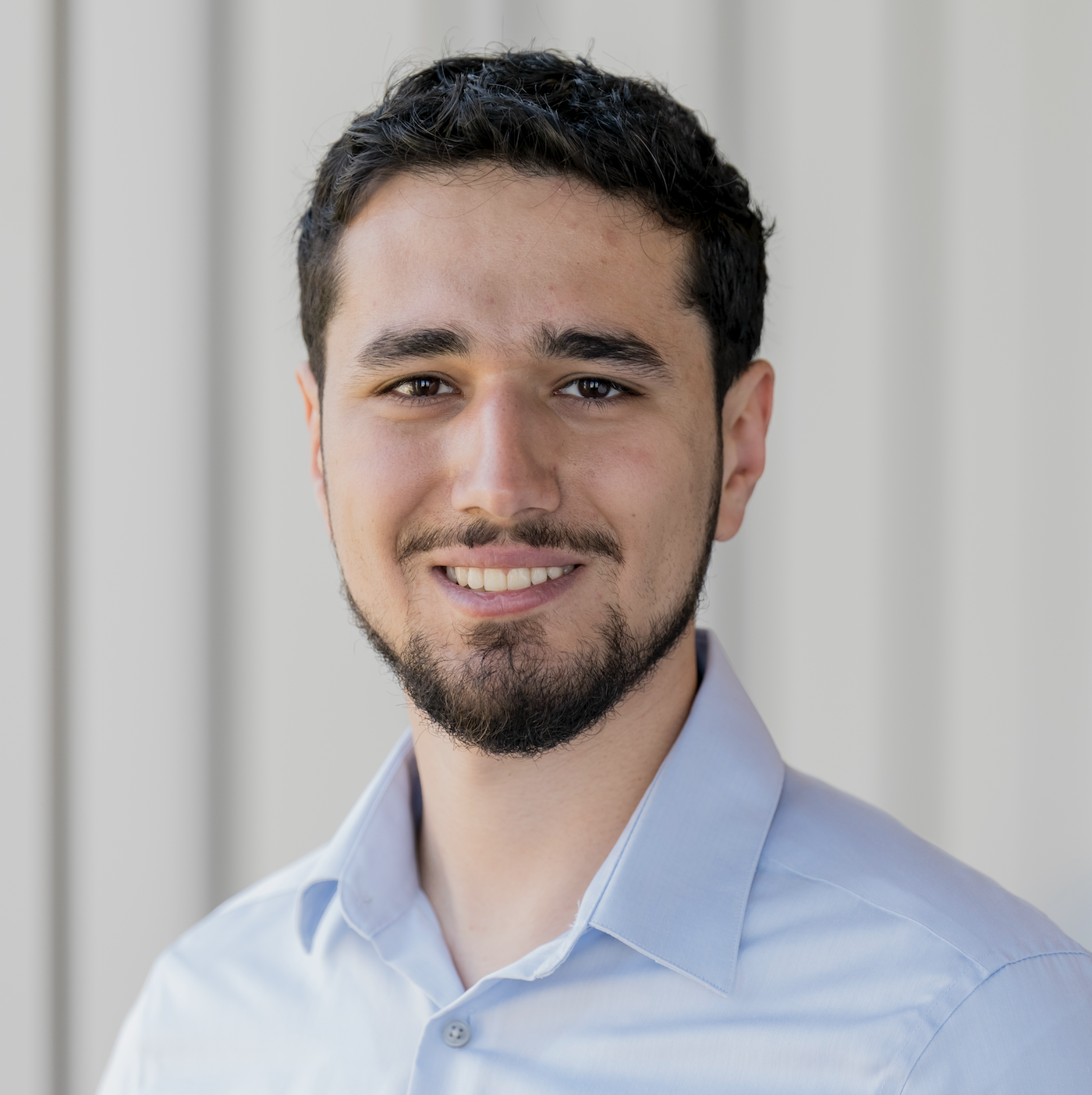
Gabriel Appleby
National Laboratory of the Rockies
VISUAL ANALYTICS
in the age of
AUTONOMOUS SCIENCE
Artificial intelligence is rapidly transforming scientific workflows across domains. For example, in emerging autonomous laboratories (e.g., self-driving labs that autonomously synthesize and test new materials), artificial agents can design experiments, analyze results, and iteratively refine hypotheses within closed-loop pipelines, thus fundamentally transforming the role of scientists.
Such a transition creates new requirements and opportunities. Visual analytics enables oversight and steering of autonomous processes, facilitates the inspection and refinement of machine-generated hypotheses, and supports effective human-AI collaboration in knowledge generation and scientific discovery. This workshop positions visual analytics as a core enabler of autonomous scientific discovery and advances two complementary directions:
We encourage submissions at the intersection of visual analytics and AI-driven scientific discovery across diverse application domains (e.g., materials science). We view the autonomous lab as a workflow and welcome contributions that use or advance visual analytics to support autonomous science across the entire pipeline or within specific stages of scientific discovery.
Our workshop aims to accomplish the following:
Our topics of interest include, but are not limited to, the following:
We invite 4–6 page manuscripts (excluding references). Accepted papers will be published in IEEE Xplore with authors’ permission. Submissions will be peer-reviewed by one member of the organizing committee and two members of the program committee. We will ensure that reviewers do not have any conflicts of interest with the authors. Submissions will be evaluated based on (1) alignment with the workshop theme, (2) technical soundness and rigor, and (3) potential to facilitate engaging discussions. Papers must be submitted in PDF format electronically via PCS using the two-column VGTC Conference Style template .
Notes:
All deadlines are at 23:59 Anywhere on Earth (AoE).
For general inquiries about the workshop, please contact us at info@vaxautosci.org.
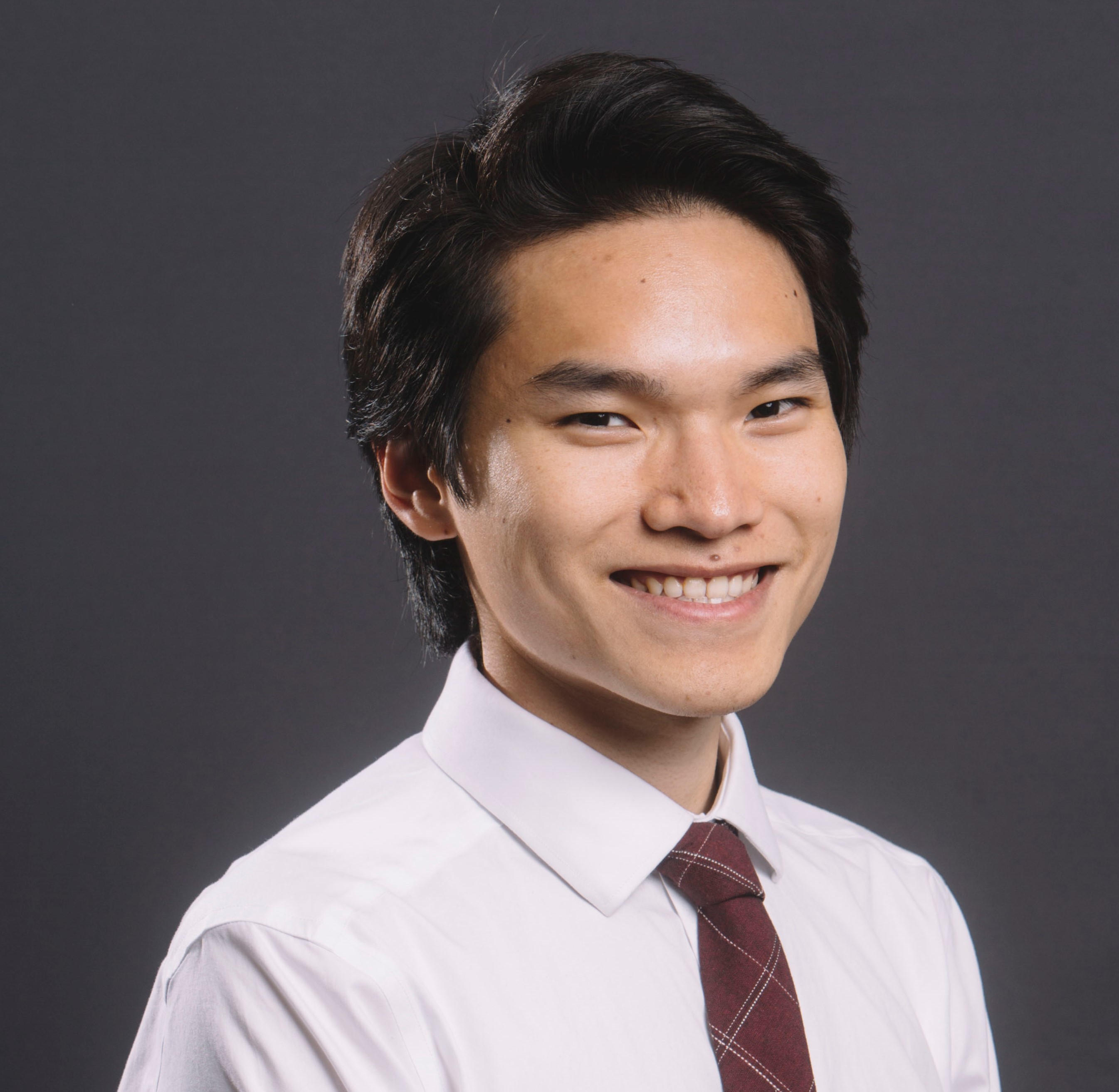
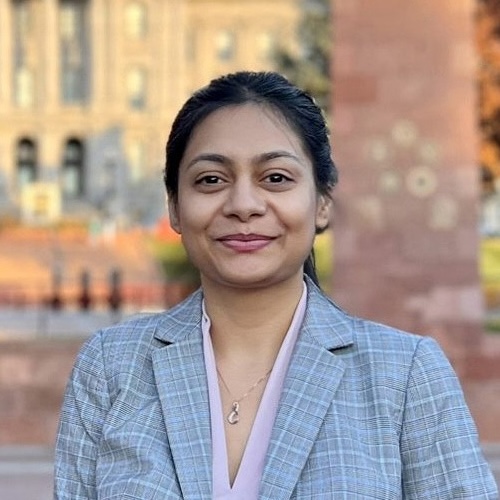


Our program committee consists of researchers from disciplines including: visual analytics, artificial intelligence, and domain sciences from both academia and government. We are grateful for their contribution to the success of our workshop.